Table Of Content
Why Phone Call Interviews Are Challenging
What Interviewers Expect in a Phone Call Interview
Common Mistakes Candidates Make
How Real-Time Support Improves Performance
Using Your Phone as a Smart Interview Companion
When Phone-Based Interview Assistance Helps Most
Introduction
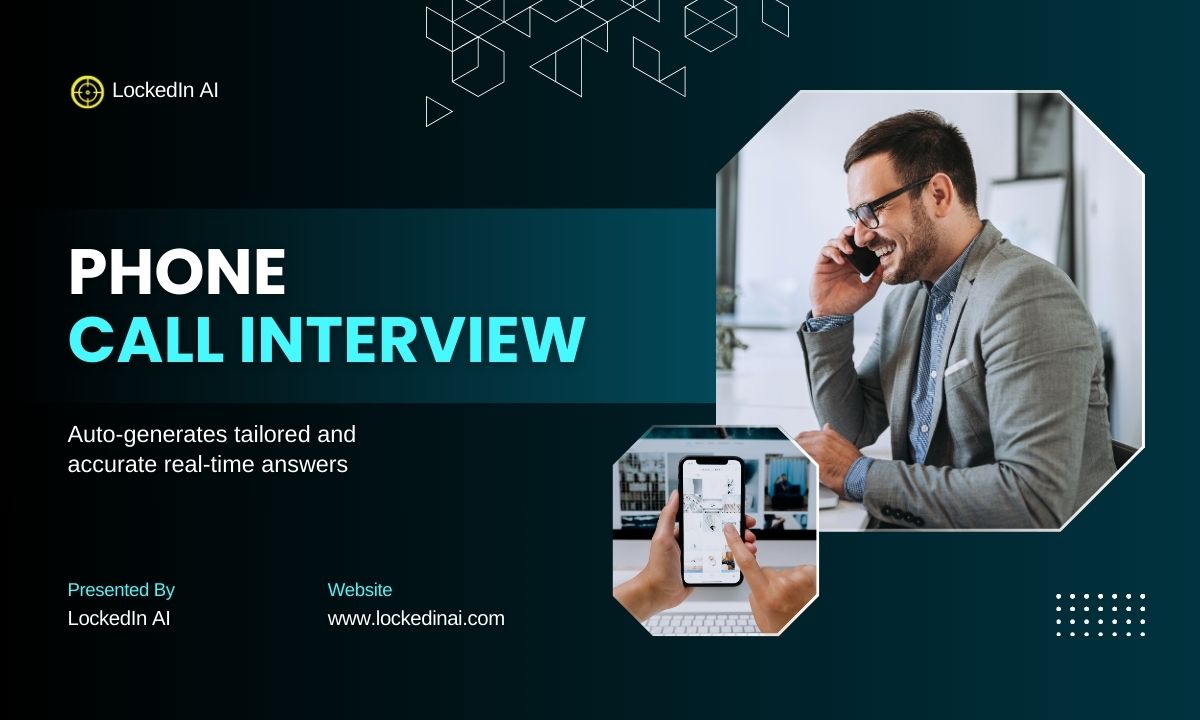
A Phone Call Interview often feels more difficult than a video or in-person conversation. Without visual cues, candidates must rely entirely on tone, clarity, and structure. Even well-prepared professionals can struggle to organize their thoughts quickly when questions come unexpectedly. This is where modern interview assistance tools are changing how candidates perform during live calls.
Why Phone Call Interviews Are Challenging
Unlike video interviews, phone interviews remove facial expressions, body language, and visual reassurance. Interviewers focus entirely on how clearly you explain ideas, how structured your answers are, and how confident you sound. Pauses, filler words, or unorganized responses can create a poor impression—even when your experience is strong. For many candidates, a Phone Interview also feels rushed. Questions come back-to-back, leaving little time to think, which increases anxiety and leads to missed opportunities.
What Interviewers Expect in a Phone Call Interview
Interviewers are not just listening for correct answers. They want to hear:
- Clear structure in responses
- Logical flow of ideas
- Confident delivery without hesitation
- Relevant examples explained concisely
A successful Phone Interview depends on how well you communicate under pressure, not just what you know.
Common Mistakes Candidates Make
Many candidates unknowingly hurt their performance during phone interviews by:
- Overthinking answers and losing clarity
- Speaking too fast or too slowly
- Forgetting key achievements or metrics
- Giving unstructured responses
- Losing confidence mid-answer
These issues happen because the brain struggles to organize information in real time during live calls.

How Real-Time Support Improves Performance
Real-time interview assistance helps candidates stay focused while answering questions. Instead of memorizing scripts, candidates receive guidance during the call itself. This allows them to respond naturally while maintaining structure and professionalism. With LockedIn AI, candidates can access live suggestions, talking points, and frameworks while the interview is happening. Since it runs on a separate phone device, it remains completely undetectable during a Phone Interview, giving candidates confidence without raising concerns.
Using Your Phone as a Smart Interview Companion
Using your phone during interviews has become a practical advantage when done correctly. By opening the interview copilot on your phone browser, you can receive real-time support while the call runs on another device. This setup allows candidates to:
- Stay calm under pressure
- Organize thoughts instantly
- Maintain professional tone
- Avoid long pauses
Because no installation is required, the experience is seamless and accessible from anywhere. A Phone Interview becomes easier when your phone works as a silent assistant rather than a distraction.
When Phone-Based Interview Assistance Helps Most
Phone-based assistance is especially helpful in situations like:
- Initial recruiter screening calls
- Technical phone interviews
- Behavioral interviews
- Client or stakeholder meetings
- Remote role discussions
In these moments, candidates often struggle to recall examples quickly. Real-time guidance ensures answers stay aligned with the role while sounding natural.
Ethical and Undetectable Interview Support
One major concern candidates have is whether interview assistance can be detected. When using a separate device, there is no interference with the interview platform itself. This makes the support system discreet and ethical, as the candidate still answers in their own voice and understanding. LockedIn AI focuses on helping candidates structure responses rather than replacing them. During a Phone Interview, this approach allows users to perform at their best without compromising authenticity.
Final Thoughts
A Phone Call Interview tests more than just knowledge—it tests clarity, confidence, and communication under pressure. With the right tools, candidates can overcome hesitation and deliver strong, structured answers in real time. Using phone-based interview assistance helps bridge the gap between preparation and performance. Instead of struggling to remember what to say next, candidates stay present, confident, and focused throughout the conversation. For professionals aiming to perform consistently in high-stakes calls, this approach can make a measurable difference.
FAQs
How can I prepare for a Phone Call Interview?
Preparation includes understanding the role, practicing structured answers, and staying calm during the call. Real-time assistance can help reinforce clarity when questions come unexpectedly.
Is real-time interview support allowed during phone interviews?
When used ethically on a separate device, it supports communication rather than replacing the candidate’s answers, making it a helpful performance aid.
Can interviewers detect phone-based assistance?
When support runs on a separate phone device, it remains undetectable because it does not interfere with the interview platform.
Does this work for technical phone interviews?
Yes, real-time guidance can help structure technical explanations and reduce hesitation during complex questions.
Who should use phone interview assistance?
Anyone who wants to improve clarity, confidence, and response structure during live interviews can benefit from this approach.